

How a new generation of hosts and creators is rewriting who gets to speak — and who gets heard.
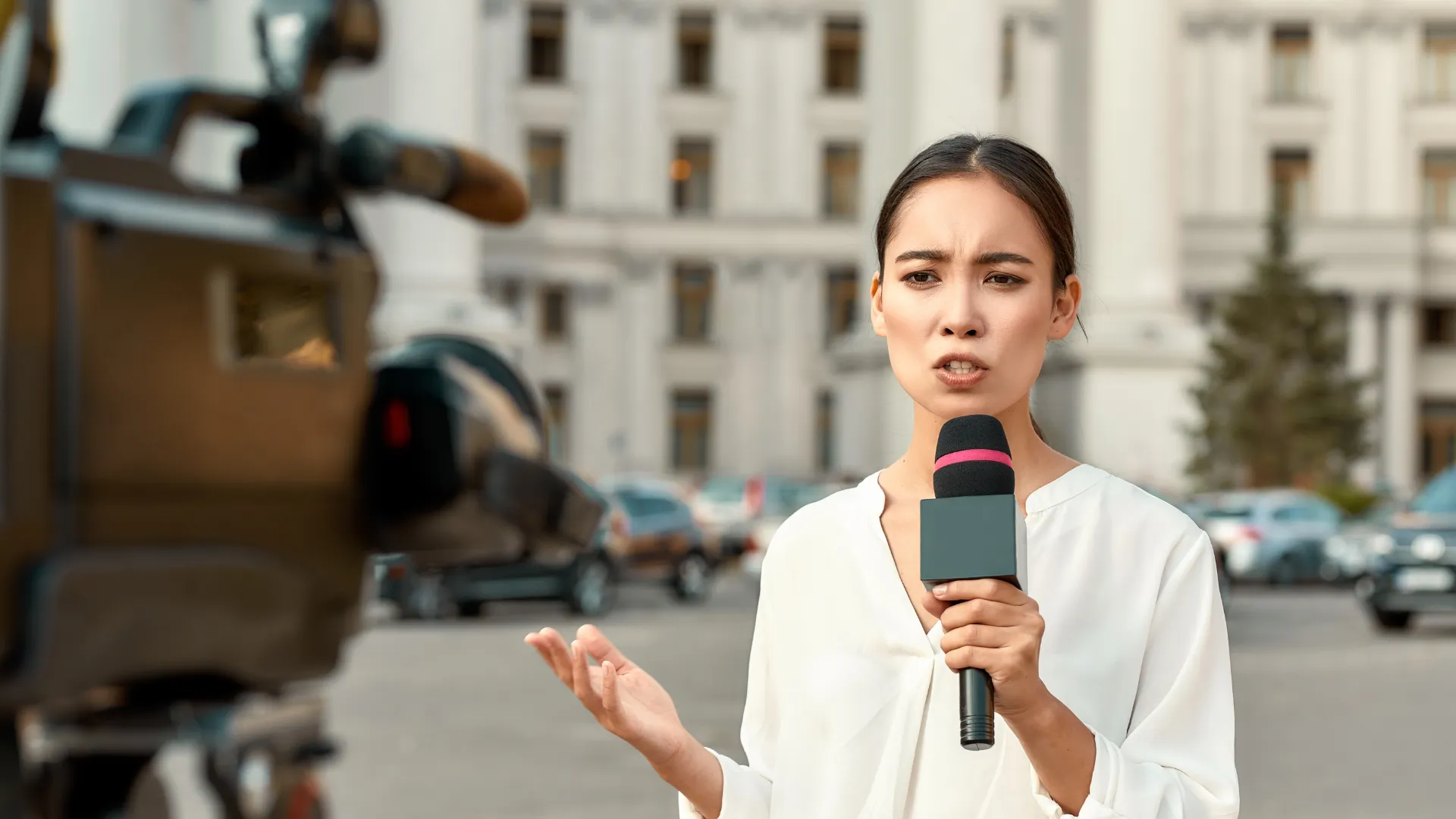
For decades, the question of who controlled a microphone was answered for women rather than by them. Editorial lines were set elsewhere, guest lists were curated elsewhere, and the stories that made it to air rarely reflected the full range of what women were actually living. That arrangement is quietly coming apart.
A new generation of hosts, producers, and independent creators is no longer waiting to be invited onto someone else’s platform. They are building their own — podcasts, video shows, newsletters, and live conversations that start from a simple premise: the people closest to a story should be the ones telling it.
Ownership changes the questions
When women own the format, the agenda shifts. Conversations that once got compressed into a single segment now get the full hour they deserve. Topics that were treated as niche — caregiving, ambition, money, health, identity — turn out to command large, loyal audiences. The audience was always there. What was missing was a space built to take it seriously.
The audience was never the problem. The gatekeeping was.
From guest to authority
The most visible shift is in posture. Women who used to appear as occasional guests are now the named voice at the center of the show. That move — from contributor to authority — is what gives these conversations their weight. It signals that expertise, lived experience, and a point of view are not things to be borrowed for one appearance, but the foundation of the work itself.
This is the conversation FEM Network exists to amplify. Every show on the platform starts from the same belief: that women leading the discussion is not a special edition or a themed week. It is simply how the conversation should have sounded all along.